









Various seasonings on store shelves.

The most frequently asked question that renal dietitians hear is, “What should I eat?” This series of blog entries discusses the general dietary guidelines for CKD patients. The last blog topic was protein. Sodium (or salt) is another dietary concern for people with CKD. When you have chronic kidney disease (CKD), your kidneys cannot regulate … Read more

A pair of strawberries next to a spoonful of sugar.

Have you ever heard someone say they avoid fruits because of “too much sugar?” The idea that naturally healthy foods (like fruit) should be avoided is something that drives dietitians crazy. Fruit doesn’t deserve the bad reputation it gets, and here’s why. Sugar has replaced fat as the nutritional “bad guy.” We consume more sugar … Read more

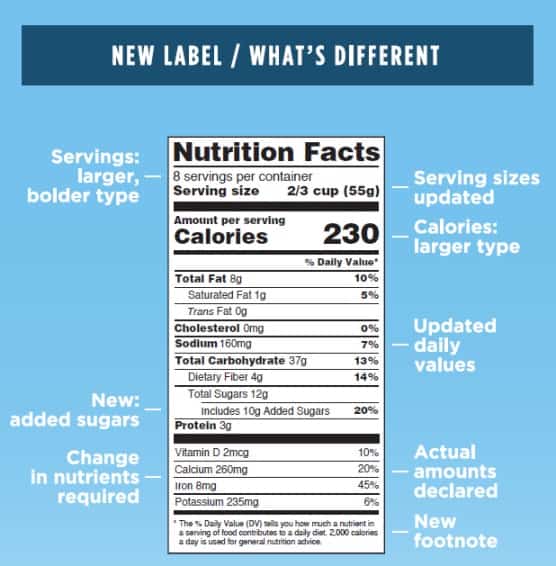
Infographic detailing the anatomy of a nutrition facts label.

Have you ever looked at a food label and wondered, “What is Percent Daily Value (% DV)?” The % DV on a Nutrition Facts label is simply a guide of what nutrients are contained in one serving of that specific food. For example, if the label lists 20% DV for calcium, it means that one … Read more

A blue alarm clock on a table.

The practice of fasting has been around since ancient times, mainly for religious reasons. Intermittent fasting (also known as IF), is simply a diet regimen that alternates between periods of fasting (no calories), and periods of unrestricted eating. When you IF, you can eat whatever you want, but only within a certain time window. Today, … Read more

Various fruits and vegetables.

Getting a lot of fresh vegetables in your diet is important.  But do you ever wonder which is better – fresh, frozen, or canned? Fresh vs. Frozen: Research reveals that fresh and frozen produce are basically nutritionally equivalent. In fact, some frozen vegetables, such as green beans, have an edge over the limp and old green … Read more

A prepared meal on skewers.

The ketogenic diet, or “keto diet,” is one of a series of trendy low-carbohydrate (“low-carb”) diets that include the Atkins diet, the South Beach diet and the Zone diet. It was developed at the Mayo Clinic in 1924 as a treatment for epilepsy in children. In recent years the ketogenic diet has made a comeback … Read more

A woman surprising her friend with a gift in a box.

Special occasions like birthdays and holidays are joyous times, but it can be challenging for people with chronic kidney disease (CKD) due to certain special health needs. The reality is that these people require restricted diets, and/or have to go to dialysis sessions 3-4 times per week, holiday or no holiday. Have you ever wondered … Read more

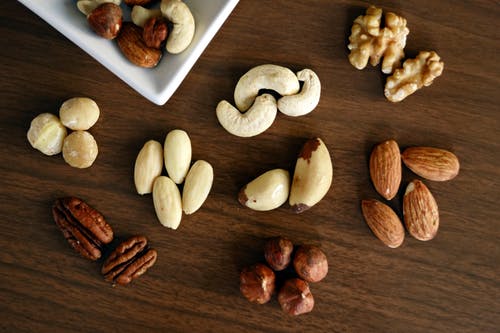
Various nuts scattered on the table.

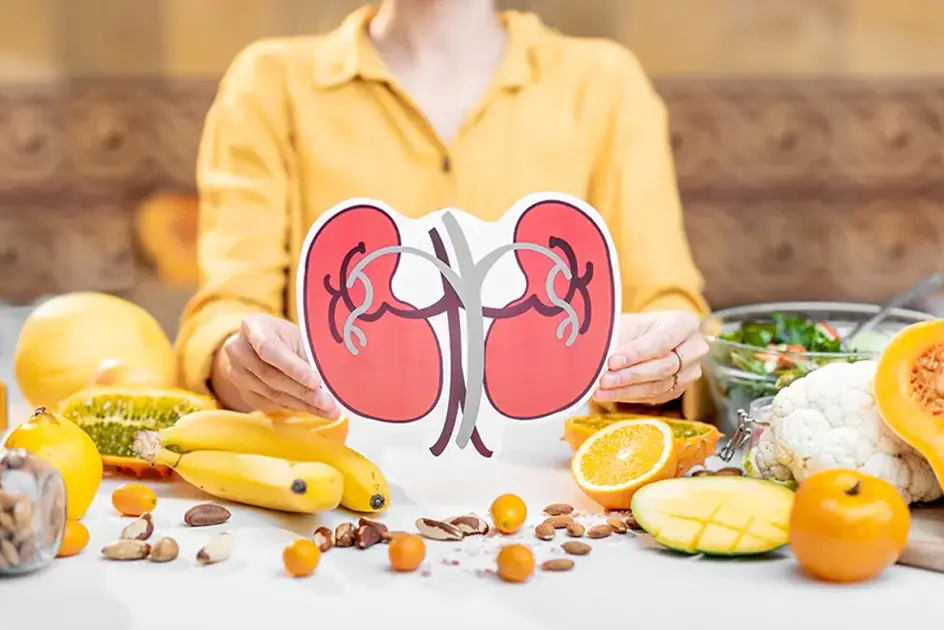
“What should I eat?”  Renal dietitians get asked this all the time! This series of blog entries discusses the general dietary guidelines for people living with chronic kidney disease. The last blog topic was potassium. We also discussed protein and sodium in the previous two entries. Phosphorus and calcium are yet another dietary concern for … Read more

A woman in the kitchen standing in front of an oven while stirring the pot.

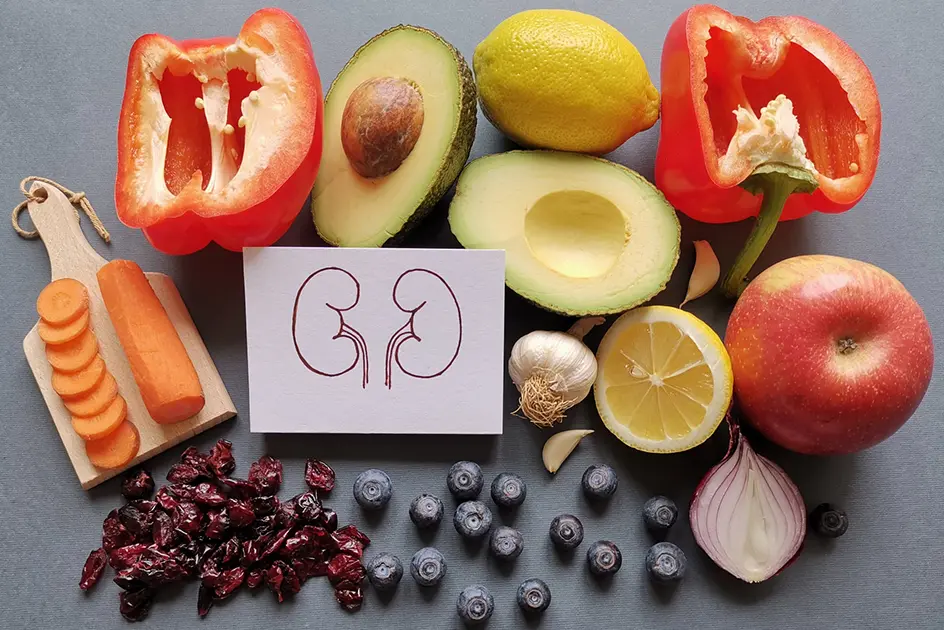
Have you ever bought a kidney cookbook and found that there is nothing in there you would normally eat? If you are living with chronic kidney disease (CKD), you might wonder how you can make your own recipes more “kidney-friendly.” Good news! There are ways you can “kidney-fy” your favorite dishes with a bit of … Read more